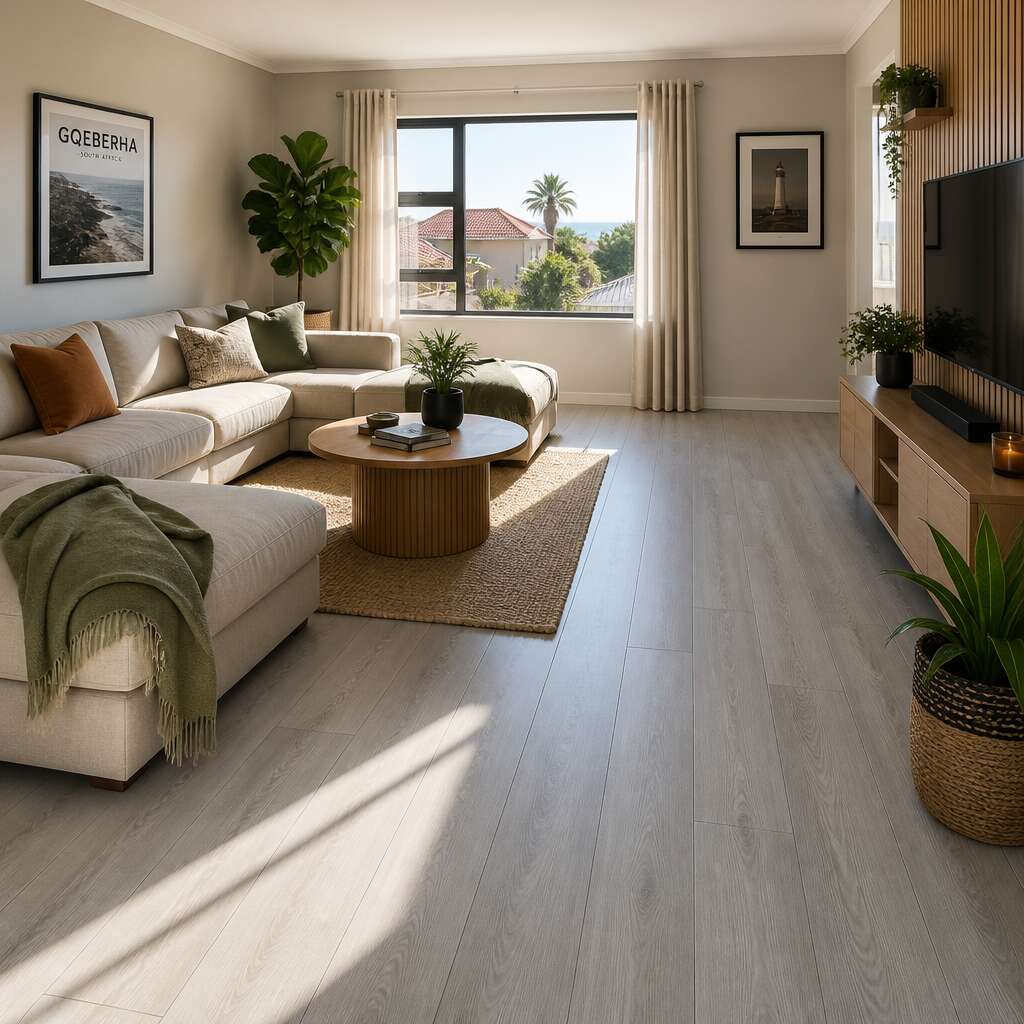
Understanding the Local Flooring Market
Examining the Demand for Resilient Flooring in the Eastern Cape
Salt air in Gqeberha is merciless to timber flooring. Coastal moisture seeps into joints, causing swelling and warping within months. That is why resilient flooring has become the default choice for many homeowners across the Eastern Cape.
The local market reflects this shift, with suppliers reporting steady growth in products like interlocking pvc tiles gqeberha. These tiles resist dampness, tolerate temperature swings, and install without specialised tools. Builders I have spoken to appreciate how quickly they can cover a concrete slab.
Meanwhile, rental property owners value the low upkeep. Demand is not confined to new builds either. Renovations, beachfront apartments, and even small offices all contribute to the consistent interest. If you compare this with other regions in the country, the Eastern Cape shows a clearer preference for durability over aesthetics, though modern PVC designs have narrowed that gap.
Key Factors Driving Homeowners Towards Low-Maintenance Surfaces
Customers in Gqeberha do not begin flooring conversations with style preferences. They begin with maintenance fatigue. Retailers I have visited report the same opening question repeatedly: what does this floor need from me each week? That question shapes product choice more than any catalogue photograph.
Three pressures push homeowners toward low-maintenance surfaces:
- Absentee ownership, with holiday homes sitting empty for months between visits
- Ageing in place, where crouching down for a scrub becomes harder each year
- Frequent hosting, where floors must look presentable on short notice
Interlocking pvc tiles gqeberha answer that calculation directly. A damp cloth handles the surface, and a damaged tile lifts out without disturbing neighbours. For UK buyers scoping Eastern Cape property from abroad, interlocking pvc tiles gqeberha offer the same certainty at a distance. The market has moved past asking whether low-maintenance floors compromise appearance; these tiles no longer do.
Comparing Traditional Tiles with Modern Interlocking Alternatives
I have watched buyers reject an entire Gqeberha property over one cracked porcelain tile. That response explains why suppliers now stock interlocking pvc tiles gqeberha alongside traditional ranges. The decision is pragmatic, not positional.
Ceramic and porcelain demand a level screed, careful adhesive work, and days of curing. Interlocking systems click directly over existing flooring and tolerate minor undulation. Replacement of a damaged tile takes minutes, not a hammer and chisel. The trade-off concerns thermal mass and surface weight, which matter differently in a coastal climate known for humidity shifts that can lift or crack rigid installations.
- Traditional tile: rigid, cold underfoot, hard to repair
- Interlocking PVC: flexible, warm, individually replaceable
Local showrooms increasingly display both side by side, letting buyers test the difference in weight and sound before committing.
The Role of Climate and Coastal Conditions in Material Selection
Relative humidity in Gqeberha regularly exceeds 75 percent, and salt-laden air permeates coastal homes. That atmospheric load directly affects flooring choices. Traditional rigid tiles can develop hairline fractures from thermal cycling and minor substrate movement. Interlocking pvc tiles gqeberha behave differently, absorbing dimensional stress through their flexible core.
The local market responds with clearer segmentation:
- Salt corrosion resistance
- Moisture tolerance
- Thermal expansion behaviour
- Surface temperature underfoot
I have inspected coastal apartments where ceramic floors showed livid adhesive failure patterns, while PVC click systems in adjacent rooms remained intact. The difference is not preference, it is physics. For UK owners of Gqeberha rentals, this distinction matters more than brand names.
Advantages of Interlocking Flooring Systems
Effortless Installation Without Specialised Tools
Most flooring projects in the Eastern Cape stall for one reason, waiting on a fitter with the right gear. That wait disappears with interlocking pvc tiles gqeberha homeowners can install themselves. The click and lock mechanism needs no more than a rubber mallet and a straight edge.
I watched a colleague lay a 30 square metre room over a single weekend, and that included moving furniture between rooms. Each tile slots into place with a click. Progress is easy to gauge, which keeps the work steady.
- No glue, nails, or wet screed to mix
- No power tools to hire
- No curing time before you walk on it!
That last point matters when you are renovating a rental unit or a single bathroom in Gqeberha, where downtime costs money. You can lay the floor in the morning and move furniture back by the afternoon.
Enhanced Durability and Impact Resistance for High-Traffic Areas
Durability in flooring is measured in decades, not years. For high-traffic areas like kitchens, hallways, or rental units in Gqeberha, interlocking pvc tiles gqeberha hold up under repeated pressure. The multi-layer construction absorbs impact without cracking. A dropped saucepan or shifting furniture leaves no trace.
The wear layer resists scuffs from daily footfall. Many standard PVC ranges carry a 20-year warranty backed by independent testing. I have seen tiles fail when maintenance is skipped, but that applies to any surface. The interlocking joint keeps seams tight, so grit cannot grind into the edges.
Consider what typically wears down a floor:
- Point loads from heavy appliances
- Abrasive sand tracked in from coastal paths
- Repeated rolling loads from chairs or trolleys
The core density handles compression. The surface shrugs off abrasion. That is the practical edge of a system built for continuous use.
Waterproof and Moisture-Repellent Properties for Humid Regions
Gqeberha’s coastal humidity creates invisible pressure on flooring. Moisture seeps through porous surfaces, causing warping, adhesive failure, and persistent odours. Interlocking pvc tiles gqeberha form a dense barrier that blocks water at both the joint and the surface. The PVC core does not absorb moisture, so swelling is physically impossible. That matters for bathrooms, utility rooms, and ground floors where damp air lingers for weeks.
Consider the common sources of moisture problems:
- Condensation forming on cold floors overnight
- Spills that sit unnoticed under appliances
- Humid air penetrating from crawl spaces
The tight locking system prevents water from migrating underneath, which protects the subfloor as much as the visible surface. For coastal homes, this removes the seasonal fear of dampness without requiring additional sealants or membranes. I have seen standard tiles fail in Gqeberha’s winters; these interlocking pvc tiles gqeberha simply remain stable.
Cost-Effective Long-Term Flooring Investment
Over a decade, the true cost of flooring reveals itself through repairs, replacements, and lost time. Interlocking pvc tiles gqeberha change that equation. The floating system eliminates adhesives and grout, so removal and reinstallation never require destructive chiselling. One damaged tile lifts out and clicks back within minutes, not hours. That speed alone changes the economics!
Consider the financial ripple effects:
1. No recurring sealing or polishing contracts.
2. Reduced cleaning chemical expenses because the surface repels grime.
3. Lower subfloor repair costs, since moisture never reaches the screed.
This is where the long-term investment pays off. I have priced both systems side by side, and the lifetime cost falls far below traditional ceramic options, because labour and ancillary materials stay minimal. A commercial space in Gqeberha typically refloors every seven years with conventional materials. Interlocking pvc tiles gqeberha stretch that cycle dramatically.
Versatile Design Options for Residential and Commercial Spaces
Most flooring decisions fail on aesthetics, not performance. Interlocking pvc tiles gqeberha solve that by offering design freedom that traditional systems cannot match. The range includes wood grain, slate, and abstract geometric patterns, so a retail space and a nursery can share the same practical base while looking completely different.
Consider what this means for renovation cycles:
- Swap colours by section without reflooring entire rooms
- Mix borders and feature strips to define zones
- Reconfigure layouts after furniture changes
For commercial environments, branding colours can be inserted directly into the floor plan, and interlocking pvc tiles gqeberha make that possible without special manufacturing. For homes, the ability to blend textures across rooms creates a cohesive flow without repetitive uniformity. The versatility is structural, not decorative.
Installation Best Practices and Preparation
Evaluating Subfloor Conditions for a Stable Foundation
Interlocking pvc tiles gqeberha depend entirely on what sits beneath them. A slab that looks level can hide a 3mm variation, and once the click profile locks each tile down, that small dip becomes a visible ridge. Run a straightedge across the floor and measure the gaps.
The coastal humidity around Gqeberha complicates matters. Interlocking pvc tiles gqeberha form a sealed surface, so trapped moisture has nowhere to migrate. Test the slab with a hygrometer. Also check for old adhesive, paint residue, or curing compounds that reduce the grip of the tile underlay.
- Patch cracks with a repair compound and wait for full cure.
- Grind high spots instead of relying on underlay.
- Vacuum, then wipe with a damp cloth, and let it dry.
This preparation is dull, but it separates a lasting floor from one that shifts within months.
Step-by-Step Guide to Laying Interlocking Planks
Most people assume the hardest part is cutting the planks, but actually it is getting the first row perfectly square. Once that edge is off by even a few millimetres, the error compounds across the entire room. Acclimate the tiles in the room for 48 hours before starting, since Gqeberha’s humidity can cause slight dimensional shifts.
Start from the most visible corner and work towards the door.
– Leave a 10mm expansion gap around the perimeter.
– Tap the short ends together first, then the long edges.
– Stagger the end joints by at least 200mm.
For the final row, measure each plank individually. Walls are rarely straight, so trust the measurement, not the wall. A pull bar and a rubber mallet will save your knuckles. Interlocking pvc tiles gqeberha click together firmly, but they also come apart just as easily if you need to correct a mistake. Work in manageable sections to avoid stepping on freshly laid rows.
Essential Tools and Safety Measures for DIY Enthusiasts
That advice holds true, yet proper preparation separates a smooth installation from a frustrating one. Before unboxing interlocking pvc tiles gqeberha, assemble your toolkit and set up a safe workspace. The right tools do more than speed things up, they prevent injury.
- Spacers to maintain the 10mm expansion gap
- A pull bar and rubber mallet for the final rows
- A sharp utility knife with spare blades
- Safety glasses and a dust mask for cutting
Check your subfloor for moisture before laying anything. Gqeberha’s coastal air carries salt and dampness, which can migrate through concrete and compromise the adhesive backing. A simple plastic sheet taped down for 24 hours will reveal hidden moisture. If droplets form, install a vapour barrier first. I always cut tiles outdoors or in a ventilated space, PVC dust lingers and can irritate the lungs. Keep your work area clear of loose tools and cables. A tidy site lets you focus on alignment rather than tripping over clutter.
Maintenance and Longevity
Routine Cleaning Techniques to Preserve Surface Appearance
Did you know that coastal humidity can reduce the lifespan of conventional flooring by nearly 40%? That reality makes preservation routines more than a chore, it makes them a necessity. For those who have invested in interlocking pvc tiles gqeberha, the maintenance story is refreshingly simple. Daily upkeep requires little more than a soft-bristle broom or a microfiber mop to sweep away grit and sand that can otherwise act as an abrasive agent on the surface. This quick habit prevents micro-scratches and keeps the visual impact of the tile finish intact for years.
When deeper cleaning becomes necessary, a damp mop with a pH-neutral solution works effectively. Avoid steam cleaners or harsh chemical solvents, as these can compromise the structural integrity of the PVC polymer layers. The beauty of these tiles lies in their resilience, but even resilient surfaces respond better to gentle, consistent care.
- Wipe spills immediately with a soft cloth to prevent lingering residue.
- Use felt pads under heavy furniture to distribute weight evenly.
- Place entrance mats at doorways to minimise the transfer of external debris.
Periodic maintenance might also involve lifting and repositioning a single tile that has seen unusually heavy foot traffic. This ease of replacement is a distinct advantage over glued alternatives. With a simple rotation strategy, owners of interlocking pvc tiles gqeberha can distribute wear uniformly across the room. Adopting these preservation techniques ensures the floor retains its original luster without demanding excessive time or expenditure.
Handling Scratches, Stains, and Minor Damages
A single grain of sand under a castor wheel can etch a groove that collects grime. That is a common failure point. Yet interlocking pvc tiles gqeberha offer a reparability that stiff sheet vinyl cannot match. Light surface scoring from furniture drags typically buffs out with a dry melamine sponge. For deeper gouges, lift the affected tile using a suction puller and click in a fresh plank from your spare batch!
Stains present a different set of variables. Protein-based marks from food respond to a dilute enzymatic cleaner, while oil residue needs a dab of isopropyl alcohol. I have seen harsh acetone strip the wear layer permanently, so reach for gentler solvents first. A quick wipedown with a microfibre cloth after each repair restores the matte sheen.
Seasonal Care Tips for Coastal Environments
Salt-laden air in Gqeberha does more than corrode metal; it leaves a crystalline film on flooring that slowly abrades underfoot. During winter gales, that film combines with damp to form a mild alkaline slurry. A weekly rinse with plain water neutralises the residue before it settles into the joints of interlocking pvc tiles gqeberha.
Summer brings a different culprit: ultraviolet light drives expansion and contraction cycles. Most interlocking pvc tiles gqeberha handle this thermal movement well, provided you maintain an 8mm perimeter expansion gap. I check the cove moulding each October before the high season arrives.
- Wipe off salt spray within 48 hours of a storm front
- Deploy heavy-duty doormats during the persistent easterly winds
- Refresh the non-slip sealer on transition strips every second autumn
Humidity peaks in March, so a dehumidifier in enclosed sunrooms prevents wicking damage along the subfloor edge. That single measure extends the lifespan of the flooring considerably.
When to Replace Individual Tiles vs Full Refurbishment
Interlocking pvc tiles gqeberha typically outlive their warranty period by a decade when the substrate remains stable. The telltale sign for replacement versus refurbishment comes from the locking mechanism itself. Click one tile free near a wall. If the tongue fractures or the groove shows powdering, that area has reached end of life. Refurbishment works when damage is superficial: scuffed printing, dulled finish, or a single cracked corner. Sand lightly, clean the joint, and reuse the tile elsewhere.
Replacement becomes necessary when the interlocking pvc tiles gqeberha show repeated separation despite re-seating. That indicates dimensional creep in the PVC core. You can patch individual units, but the surrounding tiles carry similar stress histories. A staggered replacement strategy only postpones the inevitable.
I generally advise clients to monitor high-traffic doorways every eighteen months. One useful diagnostic is to check the bevel edge for curling. Curled edges signal plasticiser migration, and no surface treatment fixes that.
Environmental Benefits of Reusable Flooring Components
Here is the part I find most compelling about interlocking pvc tiles gqeberha: their environmental value becomes apparent only after years of service. Unlike glued products, the floating system allows selective harvesting. A tile that no longer locks securely in a hallway can still serve perfectly well in a storage room or under a wardrobe. This reusability is what separates them from conventional flooring options.
Lifecycle thinking matters here:
– A tile’s locking edges wear faster than its face, so rotate units before the mechanism fails entirely.
– Keep spare tiles from the original batch; slight colour variation between production runs makes later matching awkward.
When the time comes to redo a room, salvage intact units rather than discarding them. The longevity of interlocking pvc tiles gqeberha depends on this simple maintenance habit, and the landfill savings add up over a decade of use.
Warranty Considerations and Manufacturer Guidelines
Most warranties on interlocking pvc tiles gqeberha become void the moment you grab the wrong floor cleaner. I have seen claims denied over bleach and even steam mops! The manufacturer’s guidelines are not a suggestion; they are a contract. The pH range, the pad type, the moisture threshold, all of it is specified in writing.
- using oil based polishes
- dragging furniture without felt pads
- ignoring expansion gaps
Each mistake stresses the locking mechanism differently. Warranty documentation often demands seam inspections at set intervals, and some brands require dated photographs every six months. That may sound excessive, but it protects both parties. Many homeowners discover these clauses only after a failed claim. The fine print deserves attention before you ever kneel down with a bucket.
Choosing the Right Supplier in Gqeberha
Evaluating Local Distributors and Product Authenticity
Gqeberha’s coastal humidity punishes flimsy flooring, yet buyers often discover a knockoff only after the surface warps. When I evaluate local distributors for interlocking pvc tiles gqeberha, I inspect the product’s underside for manufacturer stamps and batch codes. Authentic tiles carry these identifiers; counterfeits omit them entirely!
Ask for a sample you can bend and snap. Genuine interlocking pvc tiles gqeberha resist tearing at the edges, while imitations crack under mild pressure. Local suppliers with a physical showroom offer better accountability than online-only resellers. Consider these checks:
- Verify an official brand authorization letter.
- Request original import documentation.
- Compare the locking mechanism profile.
Reputable Gqeberha dealers provide this information without hesitation. If they deflect, treat that as a warning. The extra ten minutes of verification saves you from replacing an entire floor next season.
Understanding Pricing Structures and Bulk Discounts
Pricing for interlocking pvc tiles gqeberha varies more than shoppers expect, with per square metre quotes often excluding delivery and underlay. I have seen the same product listed at a 30% premium by one distributor and heavily discounted by another, simply because the second supplier moves pallet quantities. The advertised rate rarely reflects your final cost.
Ask for a tiered price schedule before committing. Most Gqeberha dealers structure discounts around volume, and those breakpoints matter:
1. Single packs for small repairs
2. Multiple packs up to 50 square metres
3. Full pallet orders
A standard pallet holds roughly 40 square metres of interlocking pvc tiles gqeberha, depending on plank thickness. Suppliers with their own warehousing usually offer better bulk rates than those who dropship from Johannesburg. Request the ex-works price separately from transport costs, because delivery fees to residential areas in Gqeberha can add several rands per square metre. Understanding this split prevents surprise charges once your invoice arrives.
Reading Customer Reviews and Seeking Recommendations
A supplier in Gqeberha with a solid reputation can save you from costly mistakes. I have seen customers discover this the hard way after purchasing interlocking pvc tiles gqeberha from a distributor with polished advertising but poor follow through.
Reading customer reviews requires patience. Look for patterns across multiple platforms rather than focusing on individual complaints. A single negative review may reflect a delivery issue, but consistent comments about damaged stock indicate warehousing problems.
Seeking recommendations from local installers and property managers offers another layer of insight. These professionals work with interlocking pvc tiles gqeberha regularly and know which suppliers honour their warranties.
When assessing a supplier, consider:
- Their response time to queries
- Whether they provide samples before purchase
- Their history with commercial clients in Gqeberha
These factors often matter more than the advertised price.
Ensuring Availability of Accessories and Replacement Parts
Price becomes irrelevant when a missing edge trim stalls your project. The real measure of a supplier in Gqeberha is whether they can support interlocking pvc tiles gqeberha with the right accessories and replacement parts. I have met contractors who abandoned a preferred supplier because spare components took months to arrive.
Ask directly about stock depth. Some distributors offer beautiful catalogues but keep only fast moving items in their warehouse.
- Check that transition strips and corner pieces match the tile batch.
- Ask if individual tiles can be purchased without a minimum box quantity.
- Confirm lead times for factory orders to Gqeberha.
Installers who plan for future repairs will happily pay a small premium for this assurance.



0 Comments