Assessing the Local Climate for Garage Surfacing
Navigating Cape Town’s Wet Winters and Dry Summers
Cape Town’s winters soak the city with roughly 600mm of rain, while summer bakes the ground to a dusty haze. This dramatic moisture swing tests any surface, but particularly the floor beneath your car. Selecting garage floor tiles cape town residents trust requires understanding how expanded moisture and heat affect the substrate. A tile with high water absorption will swell, lift, or harbour mildew once the wet season arrives. Porcelain tiles, with their dense composition, handle this cycle with ease, which explains their popularity in local coastal suburbs.
Here are the climate factors that matter most:
– Total rainfall during June, July, and August
– The intensity of UV exposure from December to February
– Temperature fluctuations that cause concrete to move
These variables dictate how slabs must be prepped and which sealants will hold up across the year. For garage floor tiles cape town, the market rewards buyers who read these signals carefully. Most failures stem not from poor materials, but from ignoring these local rhythms. The right assessment protects your surface through every season.
Coastal Moisture and Humidity Concerns Near the Atlantic
An oceanfront garage in Cape Town carries a humidity load that inland suburbs never register. The Atlantic pushes fine moisture through every crack and service void, and that dampness lingers well after the morning fog clears. Garage floor tiles Cape Town contractors install today must account for airborne salt settling into micro-cracks, where it draws moisture from the concrete and weakens the adhesive layer underneath. The failure often shows up months later as a hairline crack or a hollow sound beneath a heel.
Surface preparation takes on a different meaning near the sea. I have seen concrete slabs feel dry to the touch while still holding measurable moisture deep in their pores. Readings shift with the daily sea breeze, so a single confident check is rarely enough. This is why experienced fitters near the Atlantic rely on moisture meters and slow-curing adhesives, and why garage floor tiles Cape Town installations deserve more consideration than a casual product search suggests.
UV Exposure and Sunlight Damage in the Mother City
Cape Town’s summer UV index reaches 11+, a level that breaks down many surface polymers within a season. The sunlight is chemically aggressive. This changes the specification for garage floor tiles Cape Town homeowners choose for sun exposed driveways.
A tile that performs well in Manchester can behave differently under Table Mountain’s solar load. Infrared radiation heats dark concrete past 50°C, and thermal expansion between tile and slab creates internal stress. UV degrades resin in cheap coatings, leaving a chalky film.
Key factors:
- Light coloured tiles reflect heat and slow UV breakdown
- Through body porcelain resists fading better than surface printed tiles
- Physical anchoring suits exposed slabs more than adhesive only systems
I have seen faded, powdery surfaces long before any structural problem appeared. Exterior grade materials matter here, especially for garage floor tiles Cape Town installers fit on exposed slabs. A light tone that reflects rather than absorbs makes the difference.
Dealing with Windblown Dust and the Cape Doctor
The Cape Doctor does not knock. One afternoon the south-easter arrives and suddenly fine grit is moving across the slab at 40 kilometres per hour. Windblown dust has a sandpaper effect on any garage surfacing, especially around the edges where tiles meet the open air. For garage floor tiles Cape Town homeowners place on exposed driveways, this is a constant test.
Dust settles into joints, holds moisture, and creates a slick film that changes underfoot behaviour. I have also watched the wind carry abrasive particles beneath pressure mounted systems, wearing down the very points that keep a tile locked in place. The practical answer is to understand your property’s wind tunnel effect:
- Observe where the south-easter funnels between houses
- Check how much loose sand accumulates near the garage threshold
- Assess whether the tile surface allows dust to be swept away naturally
That kind of assessment matters as much as the tile material itself when choosing garage floor tiles cape town for a windy suburb.
Exploring Different Flooring Material Options
Interlocking PVC Tiles for Quick Installation
Most garage owners in Cape Town underestimate how much downtime a flooring project requires. Epoxy coatings demand multiple curing days. Concrete grinding creates dust that lingers for weeks. Interlocking PVC tiles, however, bypass the entire sequence. I have laid a set myself in an afternoon over a clean, level slab, with nothing more than a rubber mallet.
For garage floor tiles cape town, this option appeals because no adhesives are involved. There is no mixing, no waiting for chemical bonds, and no lingering fumes. Just mechanical connections!
Consider the practical differences:
– Epoxy needs a perfectly dry, contaminant-free surface
– Paint chips under tyre weight within months
– PVC tiles flex slightly, absorbing impact without cracking
For anyone weighing up garage floor tiles cape town, those same connections allow individual tiles to be lifted and swapped if one gets damaged. Poured finishes simply cannot offer that level of repairability.
Heavy-Duty Polypropylene for Workshop Durability
Brake fluid, dropped spanners, and the corner of a steel workbench: these are the real tests for a workshop floor. Polypropylene tiles absorb impacts that crack lesser surfaces. The dense polymer structure resists chemical absorption and keeps its shape under static loads, so mechanics prefer it over thinner options.
PVC tiles suit lighter duties, but polypropylene brings a different kind of strength. The locking lugs are deeper, so tiles stay put when you drag heavy equipment across them. For garage floor tiles cape town, this rigidity prevents the annoying shifting you get with softer materials.
Workshop owners pick these for practical reasons:
– Engine oil wipes clean without leaving a dark residue
– Hot exhaust pipes do not soften the surface fibres
– A damaged tile lifts out and a new one clicks into place
That repairability matters most over time. Poured finishes crack and stay cracked. Polypropylene tiles take the punishment and keep performing.
Rubber-Based Alternatives for Shock Absorption
Standing on concrete for three hours changes how you feel at the end of a job. Your knees ache, your back tightens, and every dropped socket rings through the building. Rubber based alternatives solve that problem before it starts. Recycled rubber tiles offer a forgiving surface that absorbs shock from falling tools and muffles impact noise, which matters in attached garages where sound travels into living spaces.
These tiles come in heavy interlocking slabs that stay flat even when you roll a jack across them. The material has a subtle give underfoot, so you can stand longer without fatigue.
– Oil and petrol wipe off without leaving stains
– Heavy rolling loads do not crush the surface
– A single tile can be swapped out if damaged
For garage floor tiles cape town, rubber works well indoors where you want that cushioning effect without sacrificing stability.
Comparing Texture, Grip, and Safety Features
A surprising 68% of household garage injuries involve a loss of footing on a hard floor. That statistic pushes me to scrutinise texture before anything else. Garage floor tiles cape town options often look identical in a brochure, but the surface finish changes everything. A polished sheen feels premium yet turns treacherous when brake fluid weeps from a can. Matte or embossed textures deliver microgrip that holds shoe soles and trolley wheels without feeling abrasive.
Some manufacturers embed quartz granules directly into the polymer. These aggregates create a permanent bite that resists polishing under repeated foot traffic. Safety extends beyond slip resistance. Beveled edges prevent catching when you drag a tyre across a joint.
- Coarse finishes reduce skid risk in oily patches
- Self-draining profiles allow fluid to flow away
- Flush interlocking lugs eliminate trip points
I personally prefer a closed cell structure for these products. It blocks moisture rising from the concrete slab, a real concern during Cape Town’s humid summer nights.
Choosing Colours and Patterns for Aesthetics
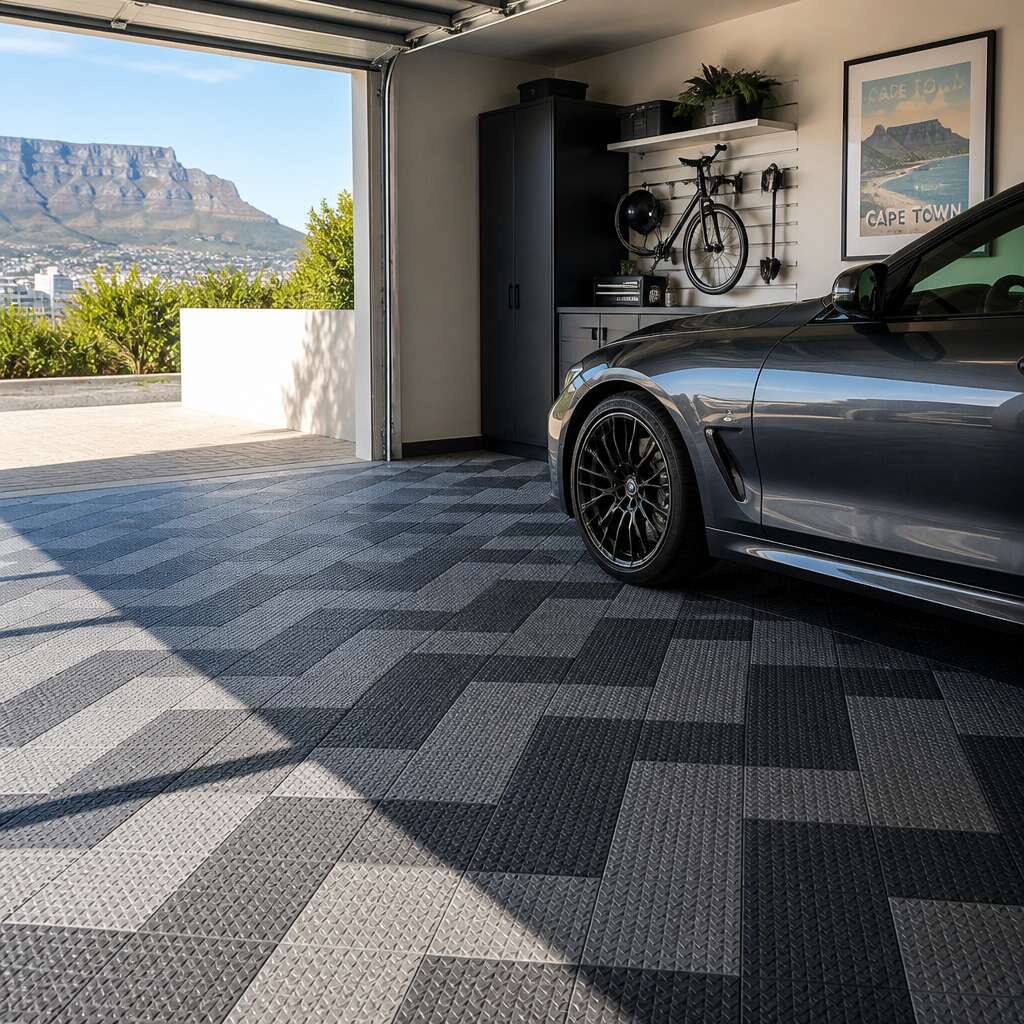
Choosing a palette for a garage floor is often an afterthought, yet it defines the entire space. Lighter tones hide the fine dust that sneaks under the door, while darker shades mask oil smears. I find that a mid-tone grey works best for most homes, balancing these concerns with a neutral base. Pattern selection matters equally. A checkerboard adds visual interest, but a subtle wood-grain effect softens the industrial look. Some garage floor tiles cape town ranges offer a textured carbon finish that pairs well with white walls.
For a more bespoke feel, mix tile sizes to create zones for parking, storage, and work areas. Use contrasting borders to define these zones without cluttering the design.
- Light grey tiles with dark grout lines
- Warm beige tones for a softer workplace feel
- Deep charcoal for a showroom aesthetic
Remember that patterns read differently in low light, so check garage floor tiles cape town samples under a work lamp before committing.
Essential Accessories: Edge Trims and Ramps
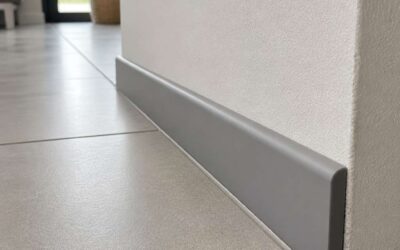
Most garage floors fail first at the edges, not the centre. Selecting garage floor tiles cape town means considering where the tile meets the wall. A loose edge collects debris and creates a trip hazard. Aluminium or flexible PVC trims anchor the perimeter and form a line at the wall. Ramps ease wheel transitions and reduce stress on tile edges.
A car pulling in can catch a raised lip. A low-profile ramp protects the tile and your suspension. For workshop areas, I find steel-cored trims withstand trolley wheels better than standard profiles.
Many owners pair materials, rubber near the workbench and polypropylene in the driving lane. That requires a transition strip. Ask your garage floor tiles cape town supplier about profiles for mixed surfaces.
Common trim options include:
- Surface-mounted trims for quick retrofits
- Recessed profiles for flush installations
The flush option lasts longer with heavy use.
Finding Reliable Suppliers in the Western Cape
Specialist Flooring Showrooms in Cape Town
Three visits to a specialist flooring showroom can save you from a costly mistake. In the Western Cape, reliable suppliers for garage floor tiles cape town are not all equal. Some stock only decorative options, while others focus on functional durability. A showroom lets you test the actual feel of the tile underfoot, something brochures never convey. In my experience, a dependable supplier will ask about your garage’s specific use, not just your budget.
What separates a worthy showroom from the rest:
- A physical display of at least five tile varieties.
- Staff who explain installation needs without pushing one brand.
- Transparent pricing that includes delivery costs.
Look for these markers during your search. Specialist showrooms in Cape Town often offer sample tiles for home testing. This hands-on approach beats any online catalogue because you see the true colour and texture in your own lighting.
Online Retailers Offering Local Delivery
Most online supplier listings for garage floor tiles cape town look identical until you examine delivery terms. Local Western Cape retailers with their own vehicles often undercut national couriers by up to 40%. They also handle damage claims directly, rather than redirecting you to a third party logistics company.
Certain signals separate genuine vendors from drop shippers:
- Published stock quantities on their website
- Delivery timeframes stated in business days
- A physical address verifiable on Google Maps
Static stock levels for weeks often indicate a middleman operation. Regional suppliers who hold inventory can name the exact batch number during a phone call. Their delivery drivers will also wait for you to inspect the pallet before signing off.
Building Material Warehouses and Bulk Retailers
Building material warehouses and bulk retailers in the Western Cape offer a different route than showrooms or online. They cater to contractors, so their pricing reflects volume. A project manager once told me that a single pallet order of garage floor tiles cape town from a bulk retailer saved him 18% compared to a specialist shop.
What separates these suppliers is their yard capacity. They let you walk the stock, check batch numbers, and test a tile’s flex point on site. Many operate behind the N7 or in the Paarden Eiland industrial area. Walk in with a floor plan and a budget figure, and they’ll treat you seriously.
– Confirm whether the quoted price includes VAT and pallet wrapping.
– Ask about cut lengths for edge trims before committing.
– Verify the tile thickness with a micrometer if you can.
Wholesale depots rarely advertise their best rates. That’s fine. Just ask!
Reading Customer Reviews for Quality Assurance
Reading customer reviews before buying garage floor tiles cape town is not optional. It is the only way to separate marketing claims from performance. Local reviews carry more weight than national testimonials because buyers know the Western Cape’s climate.
I look for reviews that mention installation details. A buyer who comments on how the tiles locked together or how the edge trim sat flush gives more insight than someone rating the colour. Reviews reveal how suppliers handle complaints. When comparing garage floor tiles cape town options, a consistent pattern matters more than the star rating alone.
- Check for photos of the finished garage
- Look for comments about delivery timelines and packaging
- Pay attention to how recently the review was posted
Older reviews may reference batches that no longer match current stock. A supplier with a steady stream of recent reviews is more trustworthy than one with old five-star ratings.
Assessing Stock Availability and Lead Times
Finding a supplier with actual stock on hand saves weeks of waiting. Many retailers in the Western Cape order tiles only after you pay a deposit. That practice can stretch delivery timelines to three weeks or more. I always ask one direct question before committing: is this item in Cape Town or coming from abroad?
Reliable suppliers will tell you the truth about stock levels. They also know that seasonal demand spikes after winter rains damage floors.
- Confirm whether the product is ex-stock or made to order
- Ask about batch consistency across deliveries
- Request a written lead time before placing a deposit
The best suppliers for garage floor tiles cape town keep buffer stock for popular profiles. They can quote accurate lead times because they control their inventory. That transparency matters when you are scheduling a workshop renovation around a tight deadline.
Making a Choice Between DIY and Professional Installation
Preparing Your Concrete Base for Installation
Nearly 40% of Cape Town homeowners attempt garage floor installations without professional help, yet the finish usually depends on the slab beneath. For garage floor tiles cape town, the decision between DIY and a contractor hinges on your tolerance for preparation. A seasoned installer brings laser level tolerances and diamond grinding equipment. You bring spare weekends and a readiness to correct mistakes.
Preparing your concrete base starts with a moisture test. Tape a plastic sheet to the floor for 24 hours. Any condensation signals the need for a vapour barrier. Next, inspect for cracks and spalling. A patching compound handles small blemishes, but deep damage demands resurfacing. Grinding opens the pores, which creates a mechanical grip for adhesive.
- Chisel away loose concrete
- Fill depressions with a feathering agent
- Confirm the slab slopes toward the drain
Skip the primer only if you enjoy premature lifting.
Allowing Tiles to Acclimatise to Local Conditions
Only one in five DIY efforts achieves a factory finish, though patience changes that. For garage floor tiles cape town, the decision between self installation and a contractor often collapses into one step: acclimatisation. I have watched tiles warp within a week because they were laid straight from a cold warehouse.
Professionals schedule a 48 hour rest period. DIYers frequently skip it. The tile must absorb the ambient moisture and temperature of your specific garage.
- Unwrap every box
- Stack tiles with spacers
- Check for persistent bowing
Hiring a contractor shifts liability but not the storage requirements. Choosing DIY keeps costs down yet demands vigilance. Both routes need a stable, dry space for the material to settle.
Planning Layouts and Creating Patterns
A truly remarkable layout is planned, not stumbled upon. Start by measuring the garage’s length and width, then divide those figures by the tile dimensions to find your starting point. A central reference line prevents the awkward slivers of material that collect along perimeter walls. The planning stage is also where you decide on a pattern, be it a staggered brick bond or a straightforward grid.
The choice between hiring a professional and managing the project yourself often hinges on complexity. Interlocking products for garage floor tiles cape town are forgiving, and many owners achieve excellent results with a weekend of work. Conversely, a contractor brings speed and guaranteed consistency, though you must still oversee the layout plan.
– DIY installation forces you to handle every cut and edge trim.
– Professional teams often finish in a day.
– Contractors typically charge a premium for removal of old coverings.
Working alone offers complete creative control. You can lay out a checkerboard pattern in dry runs, moving tiles until the design pleases you. The physical demands are real, yet the satisfaction of a completed floor is a direct reward for that effort. The final decision comes down to a trade off between your time, your patience, and your budget.
Making Accurate Cuts for Corners and Edges
Fitting garage floor tiles cape town around door frames and support pillars separates good from bad. Interlocking tiles score cleanly and snap apart with a straightedge. A cardboard template transfers irregular contours onto the tile, and a jigsaw handles the curve.
That is where DIY and professional installation diverge. A weekend installer spends an hour per column, cutting, test fitting, and cutting again. A professional with a rail saw finishes in fifteen minutes. That speed carries a higher invoice!
- Cutting errors are absorbed by the DIY owner with spare tile.
- Professionals charge for waste material in the quote.
- Hire costs and blade replacements add up either way.
Accurate cuts for garage floor tiles cape town matter most at the perimeter. Most garages have at least two awkward junctions where the wall meets the floor at an angle. Getting these right demands patience, paid by the hour or supplied by you.
Evaluating DIY Time Costs and Tool Requirements
The average Cape Town garage floor covers about 36 square metres. That number determines your time budget. Installing garage floor tiles cape town yourself consumes a full weekend, plus evenings for subfloor preparation and cutting. A professional crew finishes in a day, yet their invoice includes labour, tool wear, and waste disposal.
DIY demands specific gear. A utility knife, a straightedge, a rubber mallet, and a jigsaw handle most cuts. A rail saw speeds up long runs but adds hire fees and a learning curve.
– Spare tiles to absorb cutting errors
– Knee pads for extended floor work
– Dust mask when trimming with power tools
The hidden cost is your hourly rate. Cape Town professionals charge around R120 per square metre for garage floor tiles cape town installation. Compare that against your own time and you will know which route fits.
Hiring Local Contractors for a Guaranteed Finish
The decision between DIY and professional installation comes down to your tolerance for uncertainty. A contractor has done this dozens of times. They know how Cape Town’s concrete slabs shift and where moisture tends to collect.
Hiring local contractors for a guaranteed finish means someone handles the subfloor inspection, the cutting, and the waste removal. You get a warranty on workmanship. That matters when you are laying garage floor tiles cape town across 36 square metres.
Before you sign, confirm:
– Whether the quote includes removal of existing flooring
– The warranty period on both product and installation
– Who covers delivery and lifting into the garage
Some homeowners prefer the control of doing it themselves. Others value the speed and accountability of a crew. Both routes work. One simply transfers risk.
Budgeting and Financial Considerations
Estimating Versatile Tile Prices in the Region
A 40 square metre garage floor can set you back anywhere from R8,000 to R25,000, depending on the tile specification. That is a wide spread, but it makes sense once you see how much garage floor tiles cape town vary in thickness and load rating.
When estimating versatile tile prices in the region, always ask for a per square metre rate that includes VAT. I have seen quotes where the base price looks attractive, only for delivery and edge trims to push the total up by 20%!
- Standard polypropylene: R150 to R300 per square metre
- Heavy-duty polypropylene: R250 to R450 per square metre
- Rubber tiles: R350 to R600 per square metre
Budget for a 10% contingency to cover offcuts and any damaged pieces during installation.
Comparing Labour Costs Across the Metropole
Labour rates for garage floor tiles cape town installations swing noticeably across the metropole. A fitter based in Bellville might charge R85 per square metre, while someone coming from the Southern Suburbs asks R120! The gap comes down to travel distance, parking hassle, and local demand.
Always clarify what that rate includes. Cutting, trimming, and a small amount of floor prep might be bundled in, or they could arrive as separate line items. To compare bids fairly, isolate these variables before signing:
- Distance from the contractor’s depot to your site
- Whether the slab needs levelling compound
- The chosen layout pattern’s cutting complexity
I prefer specialists who handle garage floor tiles cape town daily, rather than general handymen, as their quotes reflect real familiarity with the product. Solicit at least three quotes from different ends of the city to see the true market spread.
Factoring in Underlayment and Adhesive Expenses
Underlayment and adhesive can quietly add 20% to your garage floor tiles cape town budget, a figure most quotes never reveal. The slab’s surface dictates the underlayment grade. A smooth, sealed concrete base accepts a thin foam membrane at roughly R30 per square metre. A cracked or spalled slab needs self-levelling compound at nearly three times that cost. Adhesive options split further. Acrylic-based pastes are cheaper and forgiving, but they cure slowly during Cape Town’s damp months. Epoxy hybrids resist heat and moisture, yet they command a premium per square metre.
Consider these before comparing quotes:
- Measure the slab’s flatness and porosity to predict underlayment thickness.
- Check whether the adhesive is rated for freeze-thaw cycles.
- Confirm if the supplier bundles underlayment into the tile price.
Skip these estimates, and your final invoice will exceed the initial quote.
Calculating Long-Term Value Versus Concrete Coatings
A single reapplication of concrete coating can cost more than a full garage floor tiles cape town installation. That is the arithmetic most homeowners miss. Coatings chip and yellow within three to five years on Cape Town slabs. Tiles, by contrast, remain serviceable for decades, and individual units can be replaced for under R20.
Consider the total cost of ownership:
– Maintenance frequency and labour
– Replacement scope after damage
– Resale value and aesthetic longevity
Coatings demand surface preparation every cycle. Tiles lift and reset cleanly. That difference changes which option is genuinely affordable.
Understanding Warranty and After-Sales Support
A warranty is only as reliable as the company behind it, and in the flooring trade, fine print often hides more than it reveals. Many suppliers promise ten year coverage, yet exclude damage from UV exposure or salt air, which matters considerably in coastal suburbs. A handful of UK and European tile makers offer pro rated terms that feel generous at first. Here is what to check:
1. Environmental eligibility. Confirm whether coastal humidity is covered.
2. Replacement logistics. Ask if the supplier stocks matching lot codes.
3. Labour reimbursement. Some warranties cover only the tile cost.
I have seen after sales support vary wildly across the Cape Town market, with premium dealers offering onsite assessments and budget retailers deflecting requests via email. When budgeting for garage floor tiles cape town, allocate a little extra for a supplier with a physical showroom and a transparent claims process. That small margin buys confidence for decades.
Keeping Your Garage Floor Pristine Over Time
Quick Cleaning Methods for Oil and Grease Spills
A single missed spill can turn into a permanent blemish if you leave it overnight. Act quickly, and you will save yourself a headache! With garage floor tiles cape town, I find the protective surface gives you a head start, but you still need proper techniques. Absorbent materials like clay litter lift fresh oil before it penetrates. For older grease, apply a citrus based degreaser and let it dwell for five minutes. Then scrub with a nylon brush.
Here are some effective steps:
– Blot the spill with paper towels.
– Spread an absorbent over the stained area.
– Let it sit for fifteen minutes.
– Sweep away the residue.
– Wash the tile with warm soapy water.
Rinse with clean water to prevent slippery film. This approach keeps the floor looking new for years. Regular effort, not harsh chemicals, is the secret.
Preventing Mould and Mildew in Damp Seasons
A single damp week can undo years of garage upkeep. Mould spores build on concrete slowly, then spread quickly. My own floor stays dry because I treat moisture as an emergency.
The tiles themselves resist water, but they cannot manage air quality. Move boxes off the floor and prop them on pallets. Open a window or door for fifteen minutes each morning. For stubborn corners where condensation settles, adopt a simple schedule:
- Dehumidify after heavy rain.
- Inspect seams for lifting or trapped grit.
- Wipe the perimeter with a mild fungicide.
For garage floor tiles cape town, the key is pairing them with daily observation. I check the north wall every Sunday. That routine prevents mildew without harsh scrubbing. With garage floor tiles cape town, damp seasons test every surface, but a well aired tile space stays pristine for decades.
Replacing Individual Sections Without Full Overhaul
One damaged tile does not justify redoing a garage floor. The modular nature of garage floor tiles cape town means sections can be swapped without disturbing neighbouring panels. I have replaced single units in my own workshop with only a suction cup and a utility knife.
- Pry the damaged tile using a flat screwdriver at the corner.
- Clean the exposed concrete and check the substrate for debris.
- Click the new tile into place, aligning the locking lugs first.
Keep spare tiles from the original batch. Colour batches vary between production runs, and a mismatched replacement looks worse than the crack it fixes. For garage floor tiles cape town, storing a few spares on a dry shelf costs less than a full overhaul.
Seasonal Maintenance Routines for Coastal Homes
Salt residue accumulates invisibly on garage floor tiles cape town during the drier months. A fresh water rinse every few weeks prevents crystalline deposits from abrading the surface under vehicle weight. I keep a garden sprayer mounted near the door for this task.
Sand works its way into the locking lugs and grinds against the interlocking edges. Seasonal checks of the channels catch this before the grit causes permanent wear.
- Edge trims take the brunt of onshore winds
- Locking lugs trap fine grit that needs clearing
- Perimeter gaps must stay clear for thermal movement
Thermal cycling makes the PVC expand and contract fractionally. That movement is normal for garage floor tiles cape town, but blocked gaps cause edges to buckle. Keeping those channels clear extends the life of every panel.



0 Comments